
Karate Classes
About Karate Classes
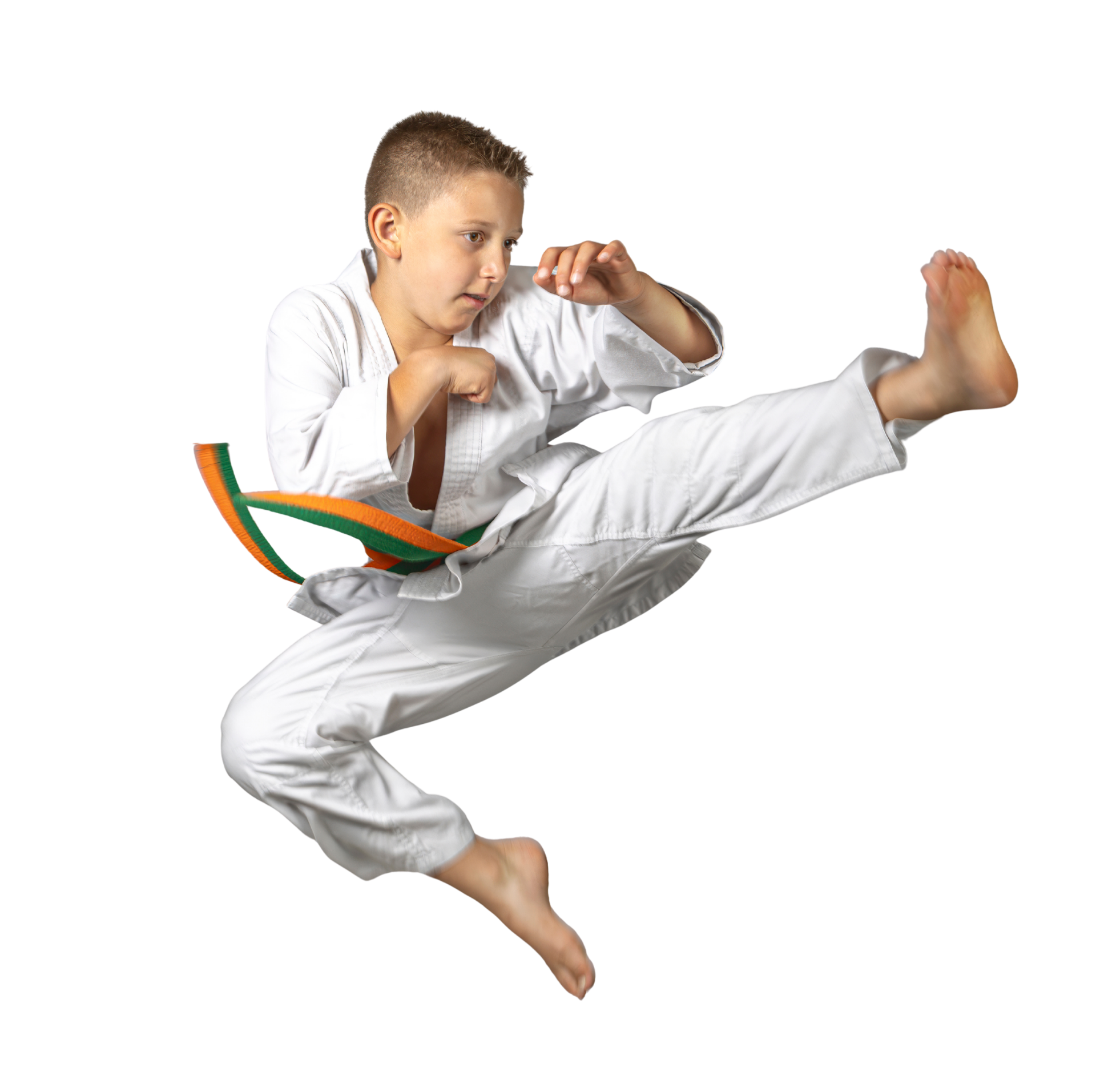
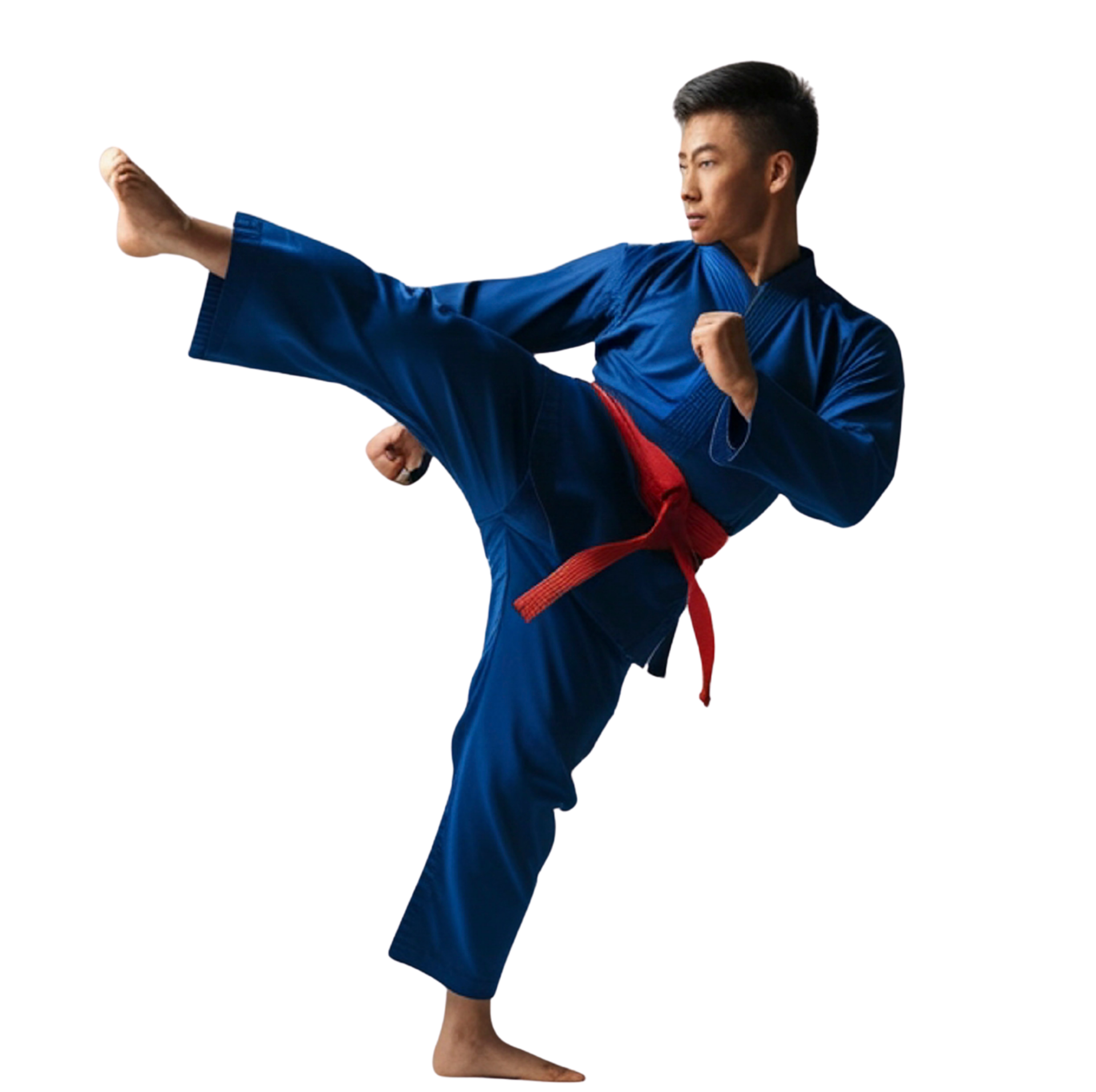
Karate at Danbury Academy is structured to teach children fundamental martial arts skills in a positive, respectful, and developmentally appropriate environment. Our karate curriculum focuses on balance, timing, coordination, forms (kata), basic striking, blocks, and discipline. More than just punches and kicks, our karate classes emphasize values like respect, self-control, responsibility, and focus that benefit classrooms, peer interactions, and family life.
Karate is an ideal starting discipline for young children. Its clear structure, predictable progression, and ceremonial belt system create measurable milestones that foster confidence and motivation. At Danbury Academy, karate classes are tailored for multiple age groups, from preschoolers learning basic movement and listening skills to older children practicing more complex forms and controlled partner exercises.
Why Karate Matters for Kids
Karate provides a unique combination of cognitive, physical, and emotional development:
Motor Skill Development
Karate drills develop fundamental motor skills: balance, coordination, spatial awareness, and bilateral integration. These skills contribute to athleticism and reduce injury risks.
Discipline and Respect
Karate’s customs and rituals cultivate respect for authority, peers, and personal conduct — foundational to character development.
Confidence Building
Belt advancement and skill mastery give children tangible evidence of their capability, improving self-esteem and assertiveness.
Cognitive Growth
Learning kata (forms) requires memory, sequencing, and focus — cognitive skills that translate to better academic performance.
Emotional Regulation
Martial arts training teaches children to manage stress and reduce impulsive reactions through breathing techniques and focused attention.
Key Benefits of Our Karate Classes
Age-Appropriate Instruction
Classes are grouped by age and development to keep lessons relevant and achievable.
Progressive Curriculum
Our step-by-step program builds technique gradually, preventing burnout and promoting sustainable progress.
Safe Teaching Environment
Emphasis on safety, warm-ups, and correct technique reduces risk and creates confidence.
Behavioral Improvements
Regular students often show improved classroom behavior, focus, and social interaction.
Goal-Oriented Milestones
Belt tests and performance goals help children learn the value of setting and achieving objectives.
Family-Friendly Scheduling
Multiple class times allow for consistent participation without disrupting family routines.
Leadership Opportunities
Advanced students mentor newer members and develop leadership and communication skills.
Class Structure and Curriculum
Our Karate for Kids curriculum is designed with three primary development phases:
Novice Phase (Beginner)
Focus: Listening, etiquette, basic stances, punches, blocks, cooperative drills.
Objectives: Learn dojo rules, motor control, and basic self-defense posture.
Activities: Games that reinforce techniques, short kata, partner drills with emphasis on cooperation.
Intermediate Phase
Focus: Refinement of techniques, longer kata sequences, controlled sparring introduction, timing, and distance control.
Objectives: Improve coordination and introduce strategy and situational awareness.
Activities:
Technical drills, kumite basics in a controlled setting, fitness circuits for endurance.
Advanced Phase
Focus: Advanced kata, combinations, speed, power development, and leadership within the class.
Objectives: Prepare for more complex self-defense scenarios and potential competition.
Activities: Demonstrations, leadership roles, higher-intensity conditioning, and performance opportunities.
How We Measure Progress
Progress is evaluated through:
Belt and stripe testing that assesses technique, knowledge, and behavioral standards.
Instructor observations and feedback shared with parents.
Periodic skills assessments to customize training and address gaps.
Goal-setting sessions with older children to set personal and technical goals.
Typical Outcomes for Students
Within months of consistent training, families often report:
- Better posture, stronger fundamentals, and improved balance.
- Increased confidence in social situations and public speaking opportunities.
- Better self-control and reduced impulsive behavior.
- Greater physical stamina and improved coordination that translates to other sports.
Safety and Instructor Qualifications
Safety is a top priority. Our instructors are trained in:
- Child development and age-appropriate teaching methods.
- First aid and emergency response.
- Proper warm-up and cooldown protocols.
- Controlled contact progression and the use of protective gear when applicable.
Frequently Asked Questions
Specific to Karate Classes
Ask us anything
What age should my child start?
Our karate program accepts children starting at age 6. Younger children benefit from short, game-based lessons that teach fundamental movement and listening.
How often should my child train?
For beginners, one to two classes per week is typical. For faster progress and reinforcement, two to three classes per week and at-home practice yield faster skill acquisition.
Is sparring required?
Yes, sparring is required.
Do you offer private lessons?
Yes. Private lessons are available to accelerate specific skill development or address individual challenges in a focused setting.