
Brazilian Jiu-Jitsu Grappling for Kids
Ground Training for Kids
Ground Training for Kids at Danbury Academy gives students the skills and confidence to protect themselves if a confrontation ends up on the ground. Designed for older children and teens who demonstrate the maturity to train responsibly, this program focuses on technique, conditioning, situational awareness, and sportsmanship in a safe, structured environment.
A major focus of our Ground Training program is learning how to defend yourself if an attack goes to the ground. Students are taught how to stay calm, escape vulnerable positions, establish dominant positions, and understand how to safely control a situation. Learning how to recognize and achieve these positions gives children a significant advantage while emphasizing control rather than aggression.
As students develop their skills and demonstrate the appropriate level of responsibility, they will progress to learning submissions from dominant positions. These techniques are introduced only in the later stages of training, with a strong emphasis on safety, discipline, proper application, and respect for training partners.
At Danbury Academy, our curriculum blends proven grappling principles with an ethical approach to martial arts, helping students become more adaptable, resilient, and confident while developing the ability to think clearly and make smart decisions under pressure.
Why MMA Matters for Kids
MMA provides unique developmental advantages:
Versatility
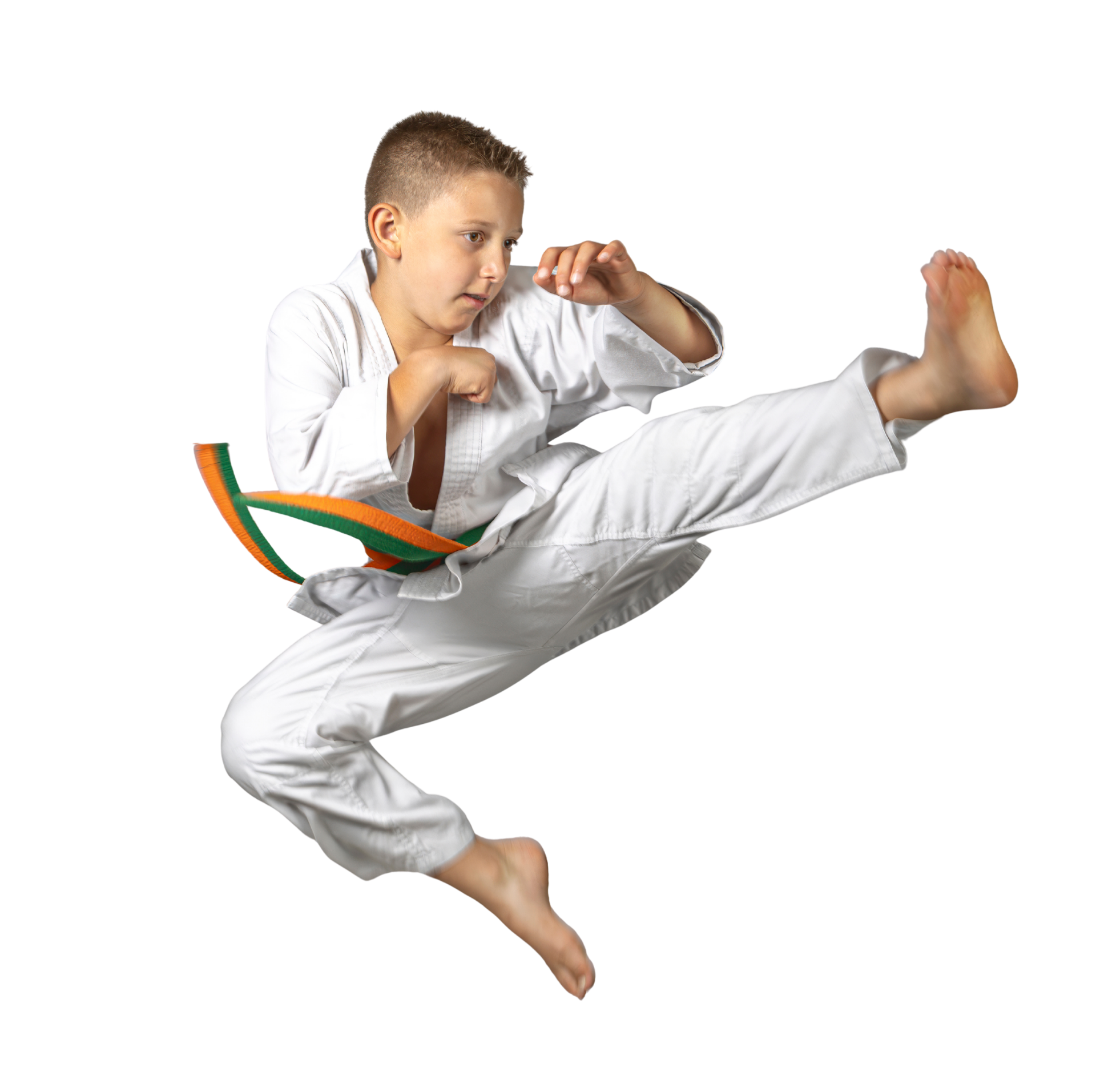
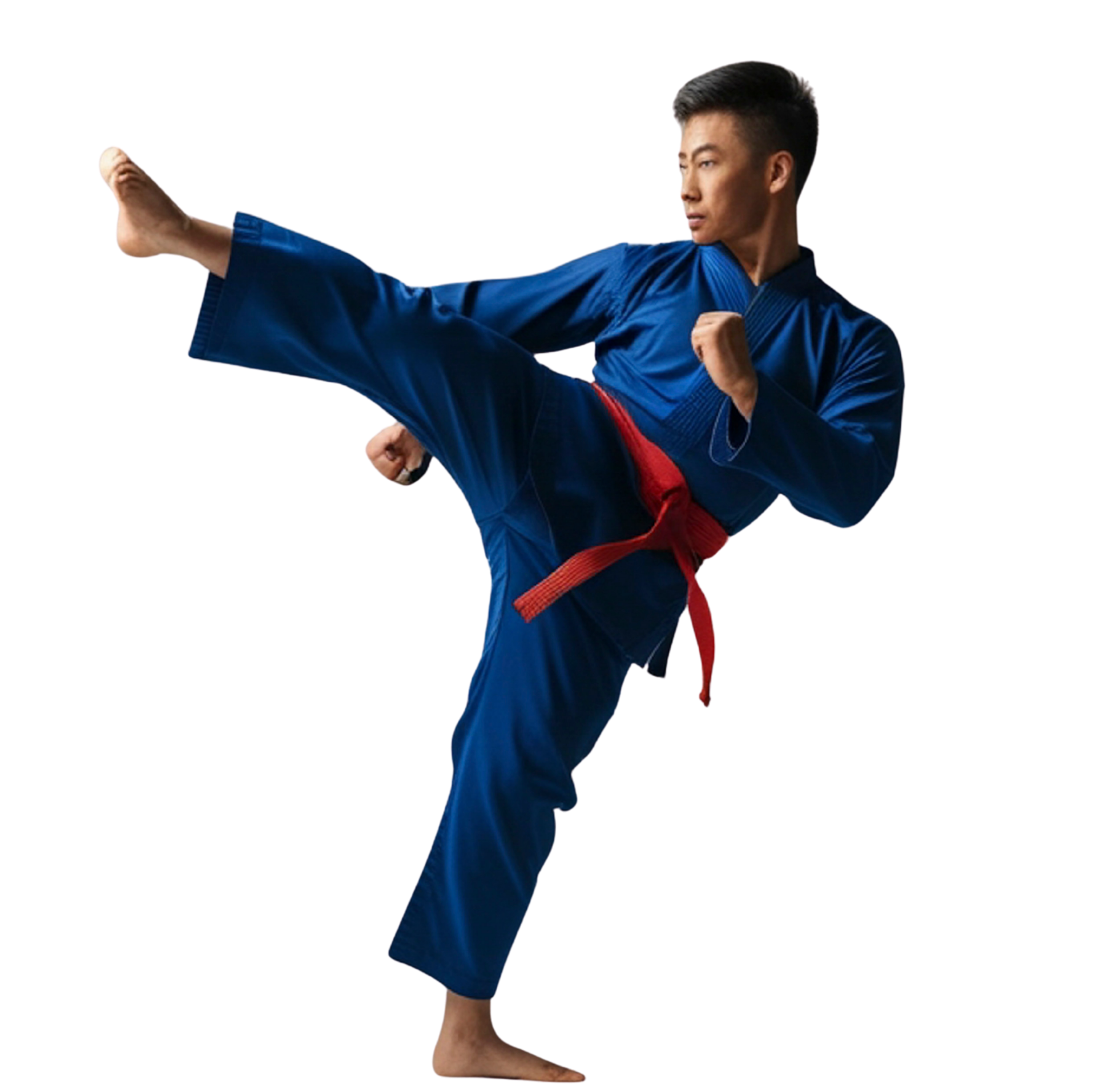
Students learn multiple skill sets—striking, clinch work, and grappling—to build adaptable abilities.
Comprehensive fitness
MMA combines strength, endurance, flexibility, and coordination training.
Controlled risk-taking
Supervised drills teach how to safely manage challenging physical situations.
Strategic thinking
Training emphasizes problem solving and timing in dynamic scenarios.
Confidence through competence
As students master varied disciplines, their confidence grows in athletic and social domains.
Key Benefits of Our MMA Program
Integrated Skill Development
A planned curriculum balancing stand-up and ground techniques for well-rounded ability.
Conditioning and Mobility
Targeted training for kids that supports healthy growth and physical resilience.
Tactical Awareness
Emphasis on when and how to apply techniques responsibly.
Respectful Competition
For those interested, controlled competition opportunities are available with adult supervision and weight-class considerations.
Confidence and Leadership
Students often grow into mentorship roles and develop leadership skills through peer coaching.
Curriculum Components
Our MMA curriculum is divided into core components, each taught with youth-safe progressions:
Striking Fundamentals
Boxing and kickboxing basics: stance, combinations, defense, and footwork.
Emphasis on technique over power, appropriate to growth stages.
Clinch and Takedowns
Safe entries, balance disruption, and controlled takedown mechanics.
Drills that teach leverage, timing, and partner safety.
Ground Control and Escapes
Positional control basics, escapes, and submission defense tailored to kids.
Avoidance of high-risk techniques; focus on quick, safe escapes rather than submission finishing for young athletes.
Positional Sparring and Controlled Drills
Drills that isolate specific skills in low-risk environments — for example, positional sparring with the goal of maintaining control or escaping.
Controlled contact with mandatory protective gear.
Conditioning and Mobility
Athlete development with functional strength, mobility, and stamina routines designed for children’s physiological needs.
Safety, Ethics, and Instructor Qualifications
Safety in children's MMA training is paramount. Danbury Academy’s instructors ensure:
- Proper progressions and protective equipment.
- No risky submissions or uncontrolled powerful exchanges in youth classes.
- Emphasis on break signals, tap-out education, and safe recovery.
- Coach focus on technique, not brute force, to limit injury risk.
- Continuous assessment of each child’s readiness for more advanced application drills.
Progression and Evaluations
Advancement is measured by:
- Technical mastery of core skills.
- Demonstrated ability to train safely with partners.
- Coach evaluations and stable performance across multiple drills.
- Age-appropriate testing that rewards technical skill, control, and sportsmanship.
Competition Opportunities
For students interested in competition, we provide:
- Coach-guided competition preparation with physical and mental conditioning.
- Age-appropriate match rules and supervised sparring.
- Emphasis on safety, appropriate weighting, and sportsmanlike conduct.
Parent Involvement and Expectations
Parents play a vital role:
- Encouraging consistent attendance and rest.
- Supporting safe practice habits — hydration, nutrition, sleep.
- Communicating with coaches about health, growth plates, or previous injuries.
- Discussing competition responsibilities and expectations with their child.
Frequently Asked Questions
Specific to Mixed Martial Arts for Kids
Ask us anything
What age is appropriate for MMA training?
When the student shows the maturity, coordination, and discipline.
Is MMA safe for children?
When taught responsibly with safe progressions and gear, MMA training is safe and highly beneficial. Coaches prioritize technique, control, and escape skills over competitive force.
Will my child be pressured to compete?
No. Competition is optional. We support students who want to compete but also celebrate those who train for fitness and self-development.
Do you teach submission techniques?
Yes, but in an age-appropriate manner focusing on defense and safe exits. High-risk finishing techniques are reserved for older, more mature athletes under strict supervision.